
AI Scientific Figure Generator: 4K Research Diagrams
Turn research abstracts or a single 30 MB lab sketch into 2K and 4K biological pathways, anatomical cross-sections, and 16:9 graphical abstracts. Pair uploaded sketches or text briefs with H3 Image (4K, 12 credits), GPT Image 2 (2K, 16 credits), or GPT Image 2.6 (2K 26 / 4K 42 credits), or draft text-only 4K plates in Nano Banana 2 (18 credits)—with upfront credits and no annual seat lock-in.
- Text Brief & 30 MB Lab Sketch
- Blank Label-Ready Canvas Mode
- 2K & 4K · 12–42 Credits Upfront
Reference image (optional · GPT Image 2 / 2.6 / H3 Image)
JPEG, PNG or WebP · up to 30 MB · 300–6000 px per side · ratio 2:5–5:2.
Optional: upload a reference image for 2K / 4K reference editing, or generate directly from text.
Your 2K / 4K Scientific Figure Preview
Attach one optional lab sketch (up to 30 MB) for H3 Image or GPT Image models, or run text-only prompts across all four engines including Nano Banana 2 (4K).
Scientific Figure Prompt Builder & Model Guardrail
Structure your panel archetype, visual rendering style, and label-safety workflow before spending credits. Syncs directly into the editor above without clearing an uploaded lab sketch.
1. Input Mode
2. Figure Archetype
3. Visual Style
4. Label Strategy
6. Publication Rigor Guardrails
All four engines (H3 Image 4K, GPT Image 2 2K, Nano Banana 2 4K, and GPT Image 2.6 2K/4K) accept this text brief.
Blank Label-Ready Canvas active—outputs a crisp 2K/4K PNG or WebP plate ready for exact vector labels with zero 150-credit SVG conversion fees.
Transparent Per-Figure Credit Cost
- H3 Image (4K, text or sketch): 12 credits · GPT Image 2 (2K, text or sketch): 16 credits
- Nano Banana 2 (4K, text only): 18 credits · GPT Image 2.6 (text or sketch): 26 credits (2K) / 42 credits (4K)
- Optional AI Prompt Enhance (refines wording before generation): 2 credits
Outputs 2K/4K raster PNG/WebP (no SVG/PPTX export or CSV data plotting). Always verify anatomy and pathways before submission.
What Is an AI Scientific Figure Generator?
An AI scientific figure generator is a browser-based research illustration workspace that turns written mechanism briefs or an uploaded lab sketch into 2K and 4K conceptual biological pathways, anatomical cross-sections, experimental workflows, and 16:9 graphical abstracts. Unlike spreadsheet plotters or vector suites, it delivers label-ready raster artwork ready for final typography in Illustrator, Inkscape, or PowerPoint.
Part of the nabn AI image and video creation studio, built for transparent per-render credits across desktop and mobile browsers.
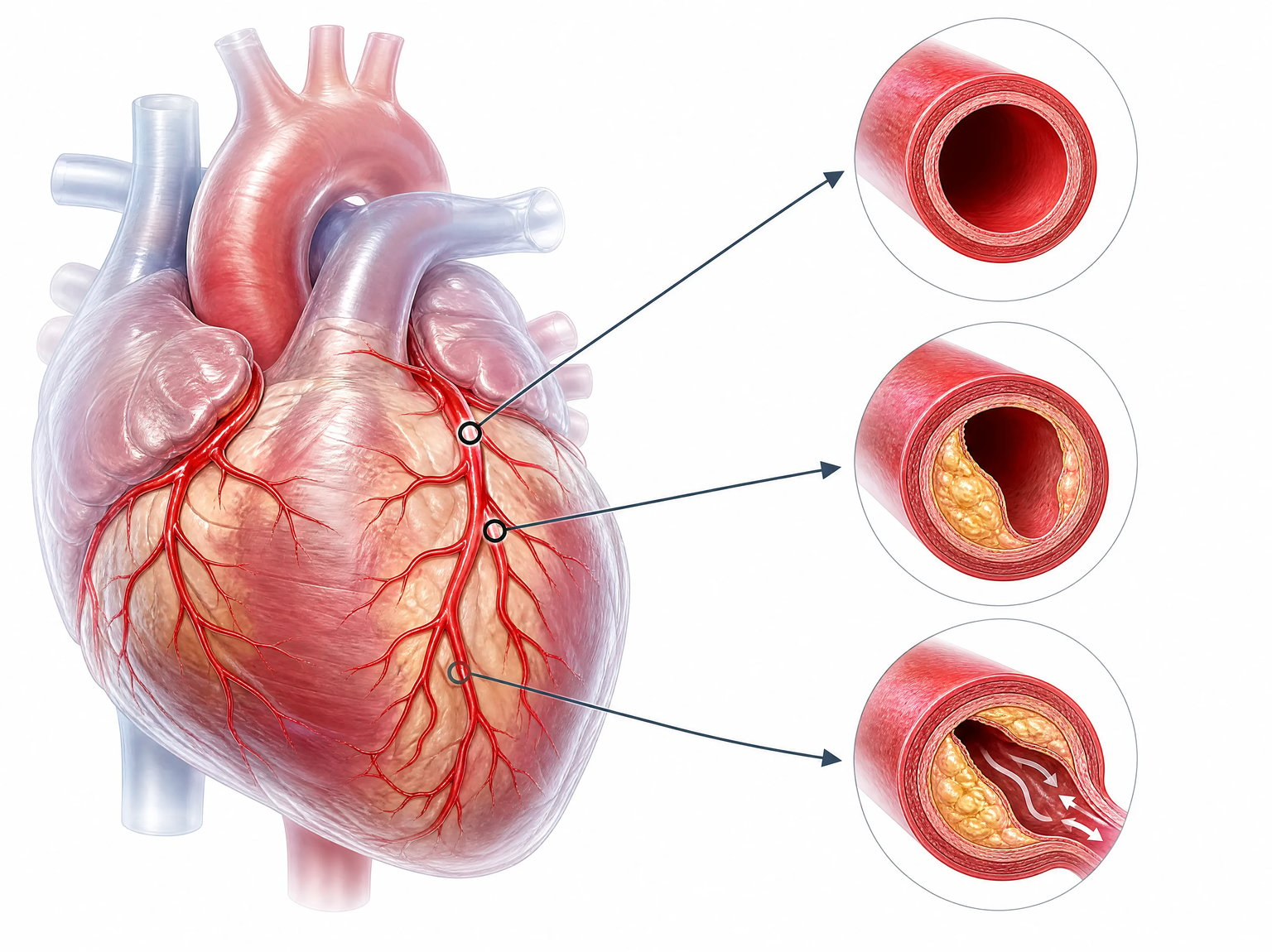
AI Medical Illustration Generator for Disease Pathways
Visualize multi-stage clinical mechanisms by pairing a semi-transparent organ overview with sequential magnified cross-sections on a pure white studio canvas.
- Pure white backgrounds drop cleanly into grant proposals and journal columns
- Sequential magnified insets communicate causal pathology steps at a glance
- Blank-margin workflow lets clinical authors add exact anatomical labels in vector tools
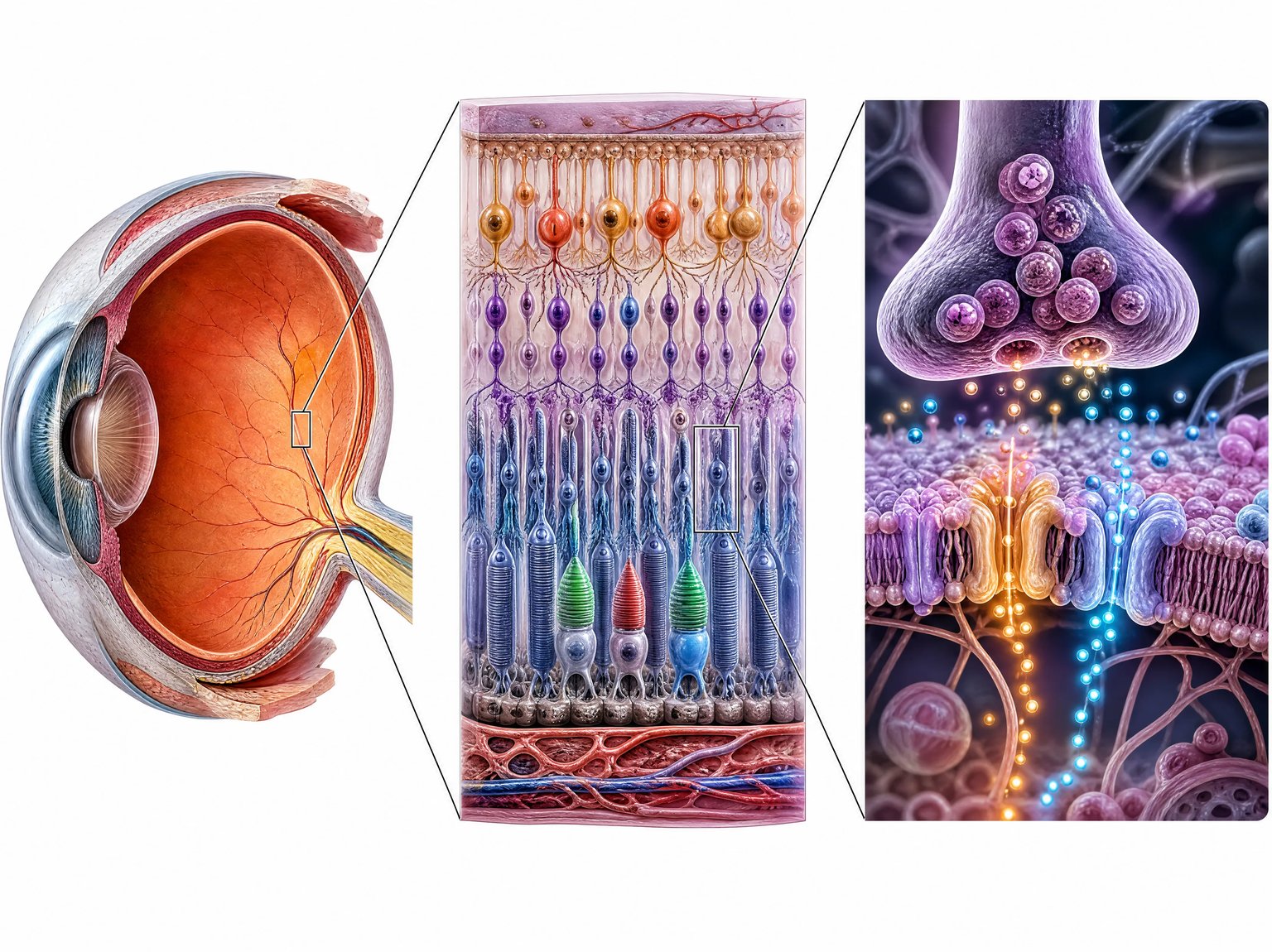
AI Biology Diagram Generator Across Magnification Scales
Transition smoothly from gross organ anatomy to tissue histology, cellular architecture, and molecular membrane signaling in one cohesive multi-panel plate.
- Synthesizes cross-discipline mechanisms beyond fixed biomedical icon libraries
- 4K output preserves fine organelle, membrane, and cellular layer detail for print review
- Ideal for Cell, Nature, and Elsevier-style graphical abstracts and thesis chapters
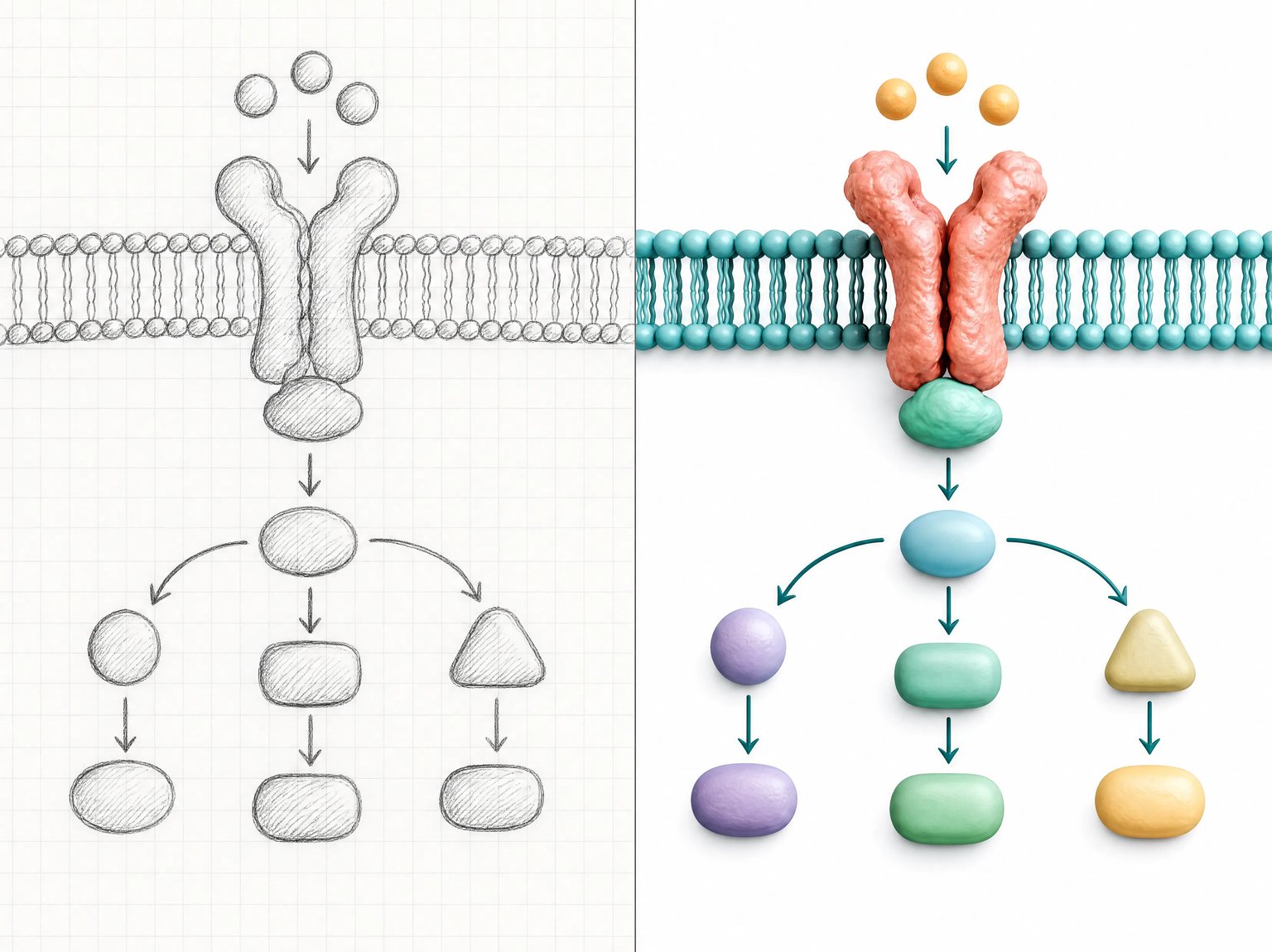
Turn Hand-Drawn Lab Sketches into Clean Graphical Abstracts
Photograph a whiteboard diagram or graphite lab notebook sketch (up to 30 MB) and keep full prompt control while H3 Image or GPT Image models render a clean scientific figure.
- Single-file upload up to 30 MB (JPG, PNG, WebP) with editable prompt instructions
- Preserves spatial flow while eliminating hand-drawn clutter and grid lines
- Continue using R, Python, or GraphPad Prism for quantitative CSV data plots
Software to Make Scientific Figures Without Seat Lock-In
Compare on-demand 2K/4K conceptual synthesis with annual icon subscriptions and manual vector drawing suites before choosing your manuscript workflow.
Upfront Credits, Zero Annual Seat Trap
Choose from 9 paid plans ($20–$999 USD), including one-time credit packs, instead of paying $420/year per seat or losing figure access after canceling.
30 MB Lab Sketch + Full Prompt Control
Attach a whiteboard photo or notebook sketch on H3 Image (4K, 12cr), GPT Image 2 (2K, 16cr), or GPT Image 2.6 (26–42cr) without locking out your prompt box.
Blank Label-Ready Hybrid Workflow
Generate clean, label-ready 2K/4K plates without paying 150-credit pseudo-SVG conversion fees, then add exact vector gene symbols in Illustrator or Inkscape.
Honest Academic & Data Boundaries
Designed strictly for conceptual pathways, mechanisms, and graphical abstracts—never for fabricating raw micrographs, gels, or statistical CSV plots.
Scientific Figure Workflow Comparison
Honest trade-offs across conceptual speed, typography control, sketch input, and cost structure.
| Workflow Dimension | nabn AI Scientific Figure Studio | Annual Icon Suites (BioRender / Mind the Graph) | Manual Vector Tools (Illustrator / Inkscape / TikZ) |
|---|---|---|---|
| Pricing & Access Model | 9 paid plans ($20–$999 USD) with one-time packs; 12–42 credits upfront per 2K/4K render | Annual per-seat subscriptions ($35+/mo billed yearly); editing locks after cancellation | Desktop license or open-source install, but costs 4–12 hours of manual drawing per figure |
| Lab Sketch Upload + Prompt Control | 1 sketch <=30 MB + full editable prompt (H3 Image 4K, GPT Image 2/2.6); Nano Banana 2 text-only | Manual drag-and-drop from fixed icon libraries; no sketch-to-illustration rendering | Manual pen-tool tracing over imported sketch layers |
| 4K Resolution & Sketch Tier Gating | All 4 models (up to 4K) available from any credit pack—no Pro tier paywall per model | High-res exports and publication tiers often restricted to paid academic or lab plans | Resolution-independent vector art once manually drawn |
| Vector Labels & SVG / PPTX Export | 2K/4K PNG & WebP only; Blank Label-Ready Canvas pairs with Illustrator/Inkscape/PPT (0 SVG tax) | Editable canvas inside suite; some AI wrappers charge steep extra fees for uneven auto-SVG | Native editable SVG, EPS, PDF, and exact font kerning |
| Cross-Discipline Coverage | Anatomy, clinical pathways, multi-scale cell biology, botany, chemistry & workflows | Strongest in standard life-science icons; niche disciplines require custom drawing | Unlimited disciplines if you draw every structure from scratch |
| Quantitative CSV / Statistical Plotting | Not supported—use R (ggplot2), Python (matplotlib), or GraphPad Prism for data charts | Limited basic chart widgets; statistical plots still imported from R/Prism | Post-editing of PDF/SVG charts exported from R, Python, or Prism |
How to Make Scientific Figures for Research Papers
Combine structured AI conceptual illustration with strict author review and vector typography overlay.
Start from a Research Brief or 30 MB Lab Sketch
Pick one of the four verified scientific presets or attach a single hand-drawn notebook sketch or whiteboard photo (JPG, PNG, or WebP up to 30 MB) to anchor panel positions.
Configure Archetype & Blank Label-Ready Canvas
Use the Scientific Figure Prompt Builder to pick Graphical Abstract, Cell Pathway, Medical Cross-Section, or Workflow, and toggle Blank Label-Ready Canvas to keep callout areas spotless.
Select Your 2K or 4K Model & Generate
Run H3 Image (4K, 12 credits), GPT Image 2 (2K, 16 credits), or GPT Image 2.6 (2K 26 / 4K 42 credits) for text or sketches—or Nano Banana 2 (4K, 18 credits) for text-only drafts. Optional AI Prompt Enhance is 2 credits.
Verify Science, Add Vector Labels & Disclose
Inspect every organ, membrane, and arrow for domain accuracy, overlay crisp vector gene names, scale bars, and panel letters (A–D) in Illustrator, Inkscape, or PowerPoint, and follow your journal's AI disclosure rules.
Where Conceptual Scientific Figures Save Lab Hours
Draft visual frameworks for manuscripts, grant pitches, lectures, and conference sessions—then branch into specialized companion tools when needed.
Journal Graphical Abstracts & Visual Summaries
Distill a 10-page paper into a single 16:9 visual overview for Cell, Nature, or Elsevier submissions. For broader multi-metric editorial explainers, switch to our infographic workspace.
Textbook Plates & Editorial Biology Art
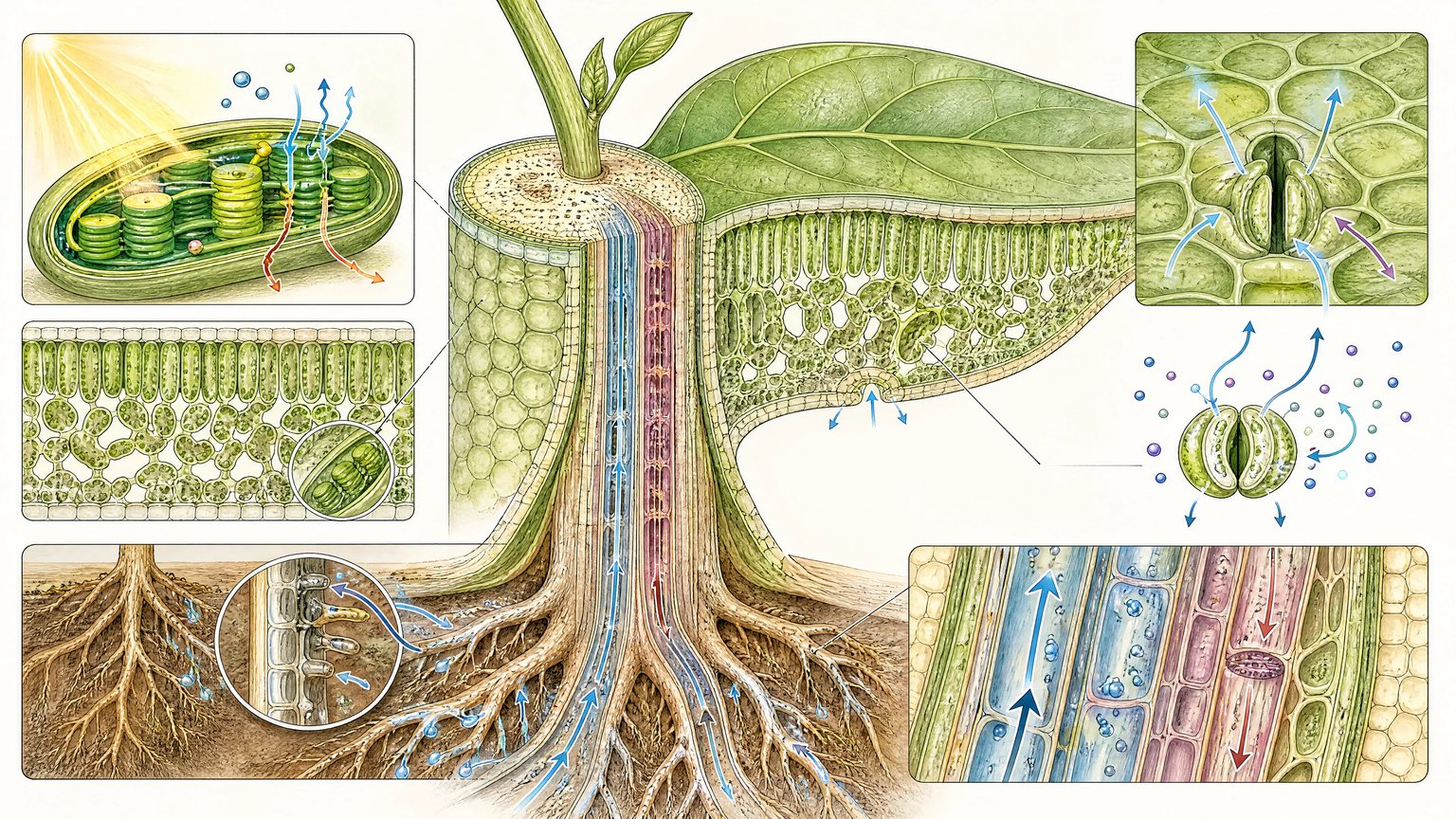
Produce botanical dissections, zoological morphology plates, and museum-style conceptual scenes for review articles, book chapters, and university course decks.
Monochrome Technical & Patent Schematics
Draft clean ink-style anatomical outlines, black-and-white apparatus layouts, and print-friendly worksheet diagrams that stay legible in grayscale journals.
Academic Conference Posters & Symposia
Pair crisp 4K central mechanism visuals with structured visual hierarchy for symposium booths, thesis defenses, and department research days.
Draft 4K Scientific Figures with Transparent Credits
Compose clean graphical abstracts, anatomical cross-sections, and biological pathways from text or a 30 MB lab sketch—no annual per-seat subscriptions.
Upfront credits across 9 paid plans ($20–$999 USD): H3 Image 4K (12cr) · GPT Image 2 2K (16cr) · Nano Banana 2 4K text-only (18cr) · GPT Image 2.6 (26–42cr) · AI Prompt Enhance (2cr).
Compare all 9 paid plans and one-time credit packsFrequently Asked Questions About AI Scientific Figures
Straight answers on conceptual scope vs. R/Python plotting, 30 MB sketch uploads, raster vs. SVG labels, journal policies, and upfront credits.